



THE ARTISTIC CONCERNS
LONG-TERM PROJECTS
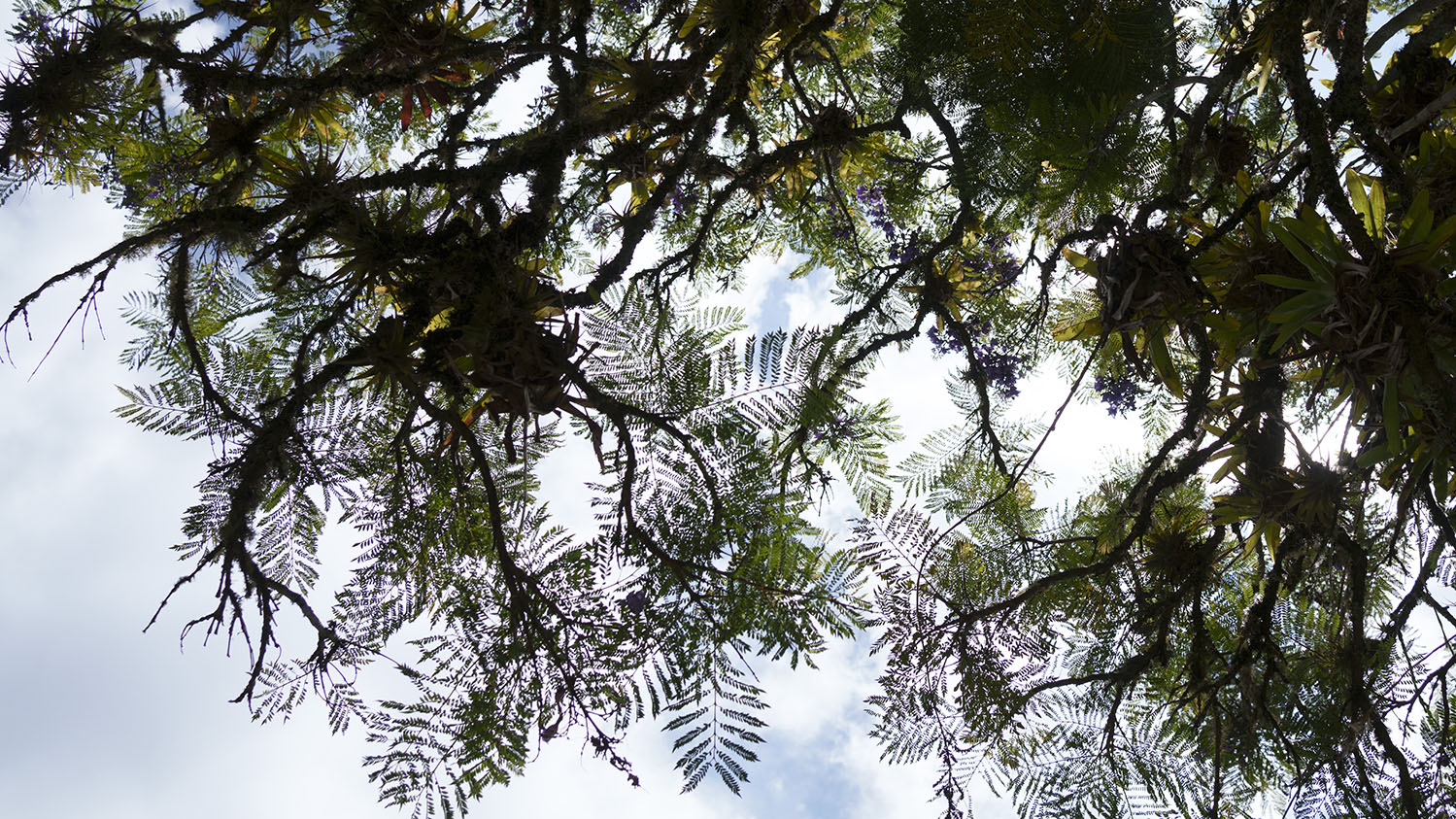
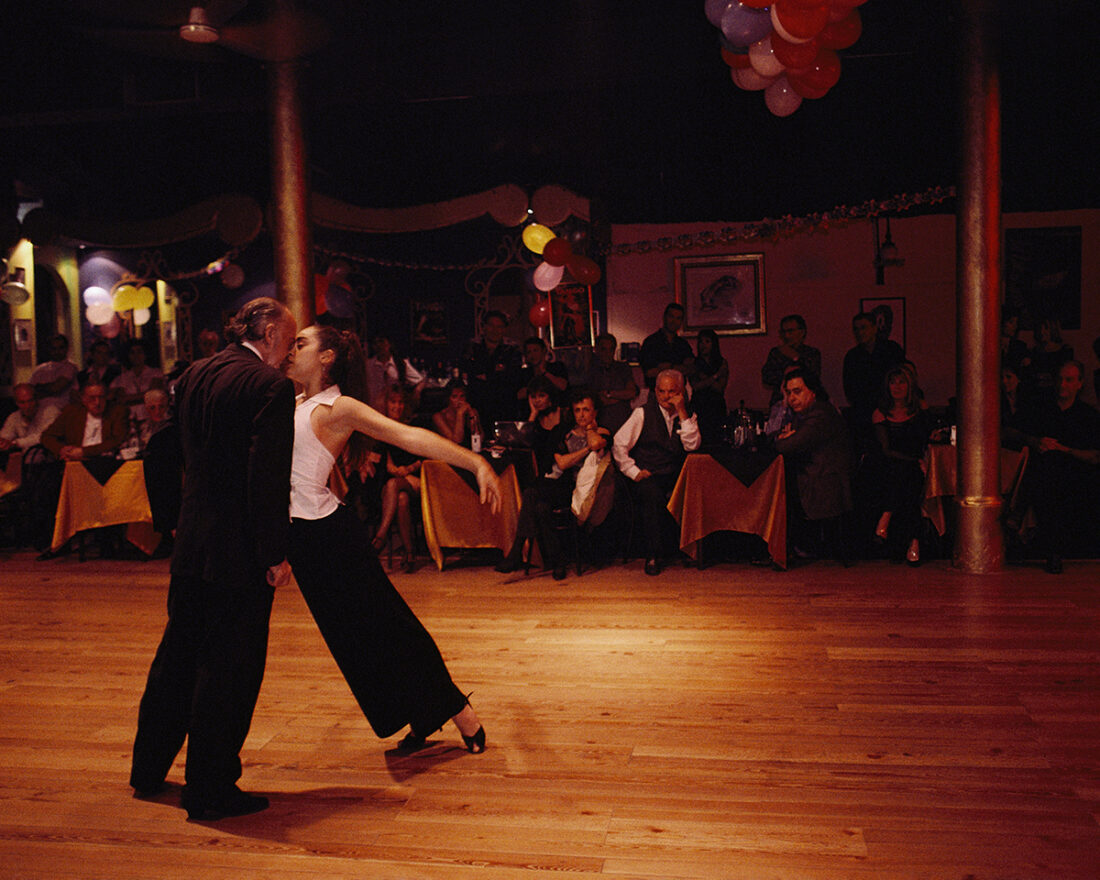
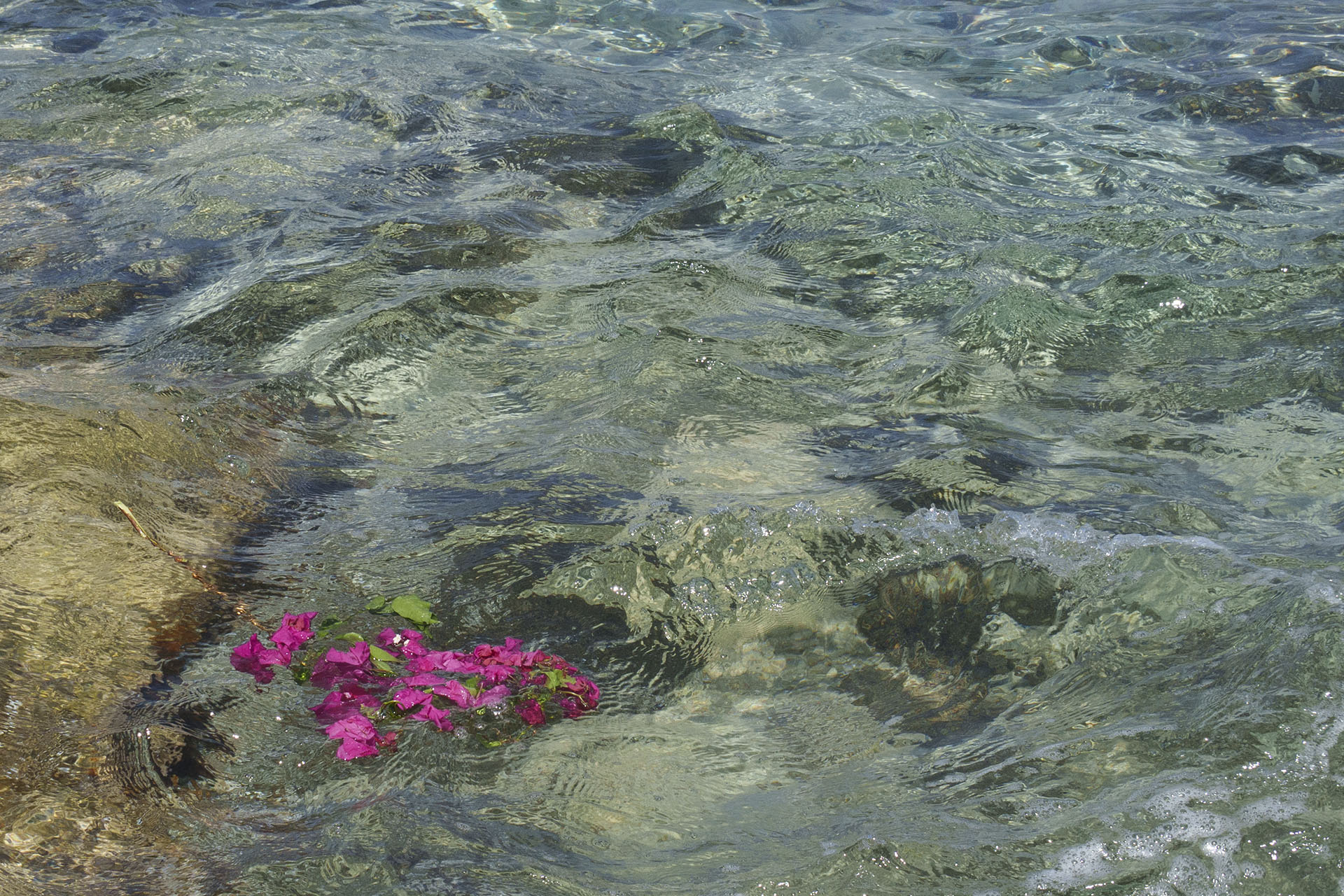
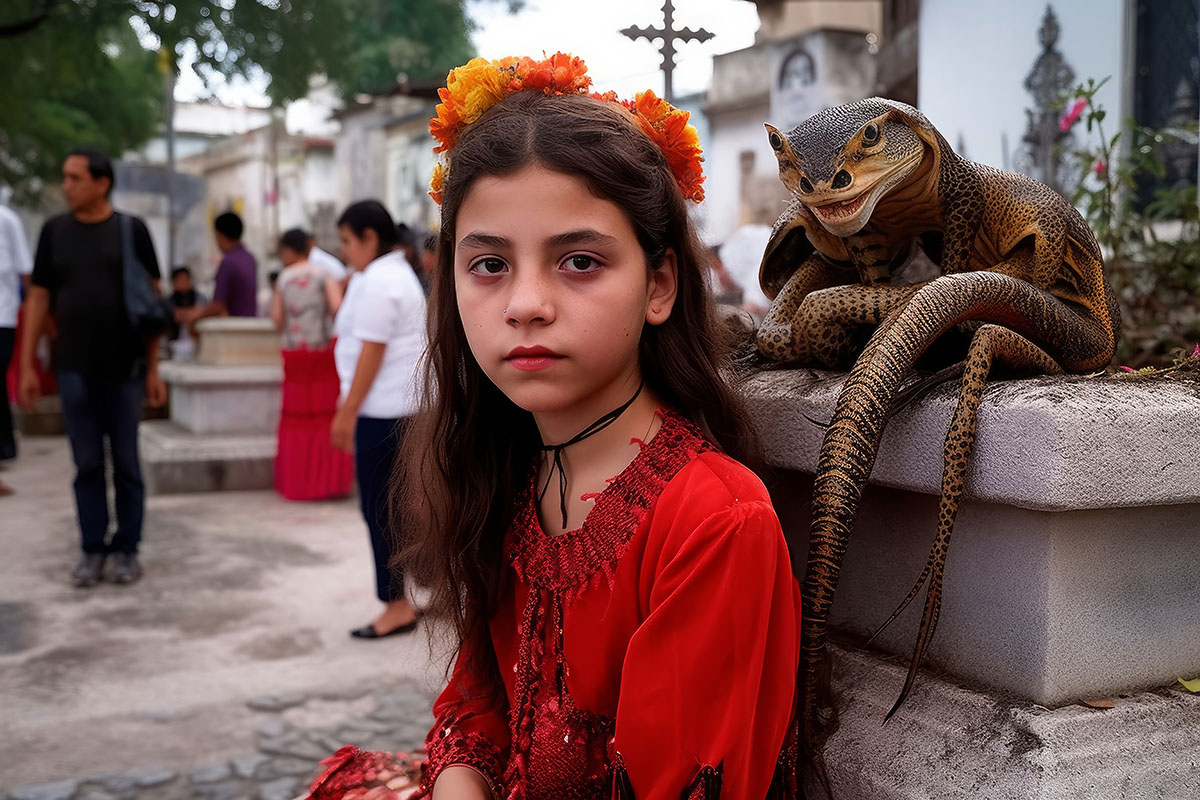
These are projects that have marked the life of Pablo Corral Vega. “Paisajes del Silencio” was the book he created during his career as a lawyer in the late 1980s. He would escape to the mountains on weekends and slowly photograph with his tripod and Hasselblad camera. This was his way of rebelling against the logical and rational world of law. He dedicated more than five years of his life to “Andes,” which was published by National Geographic in both their magazine and a book, for which Mario Vargas Llosa wrote twenty short stories. He began “Tango” in the year 2000 as a project for Nat Geo, and since then, it has become an obsession: he continues to document the night of Buenos Aires whenever he can. “Jardines Silvestres” is a project that Pablo Corral Vega created to heal after the death of a beloved person, and he continues to work on it. Through this project, he fell in love with nature again.

My Garden in the Wilds
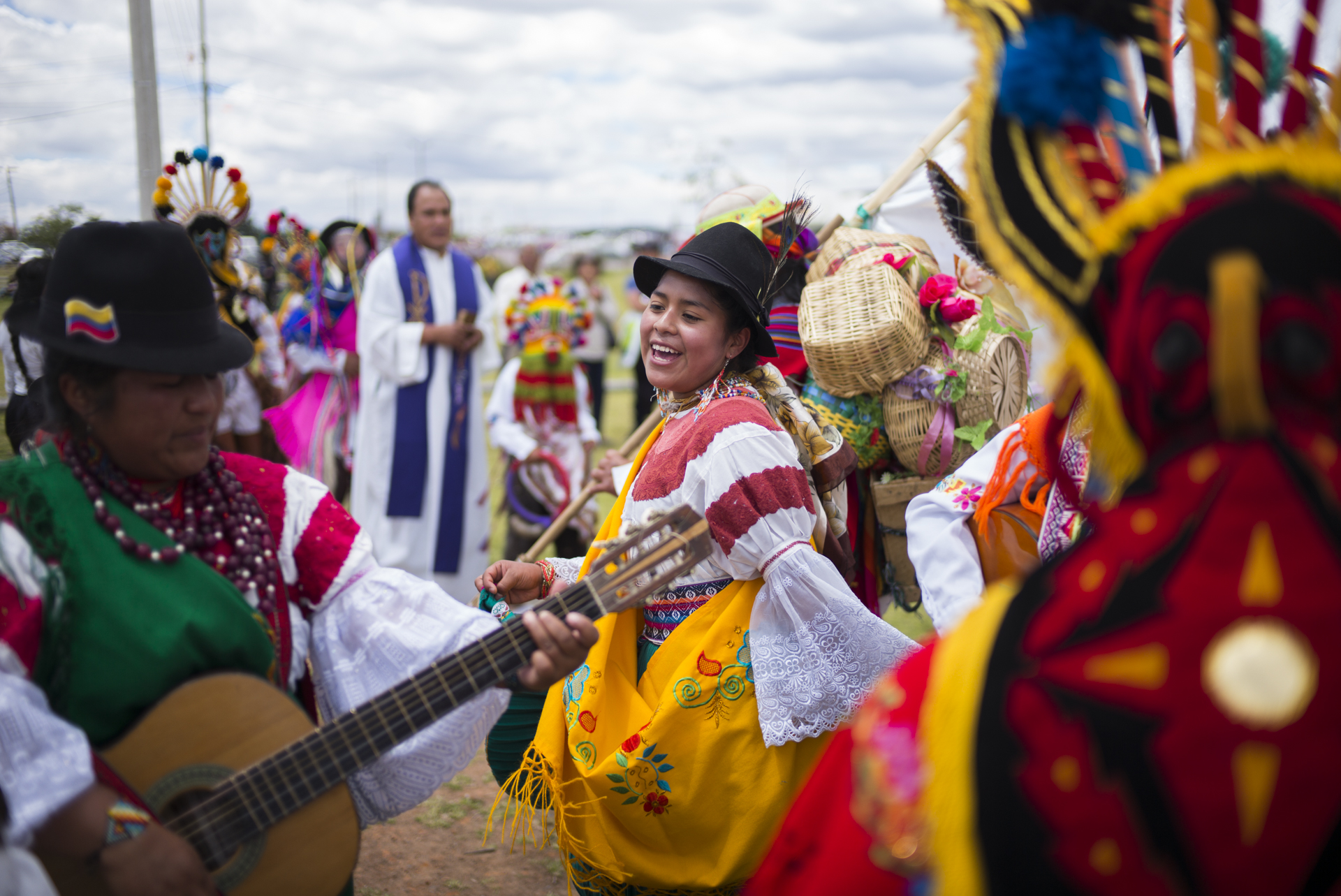
Tango
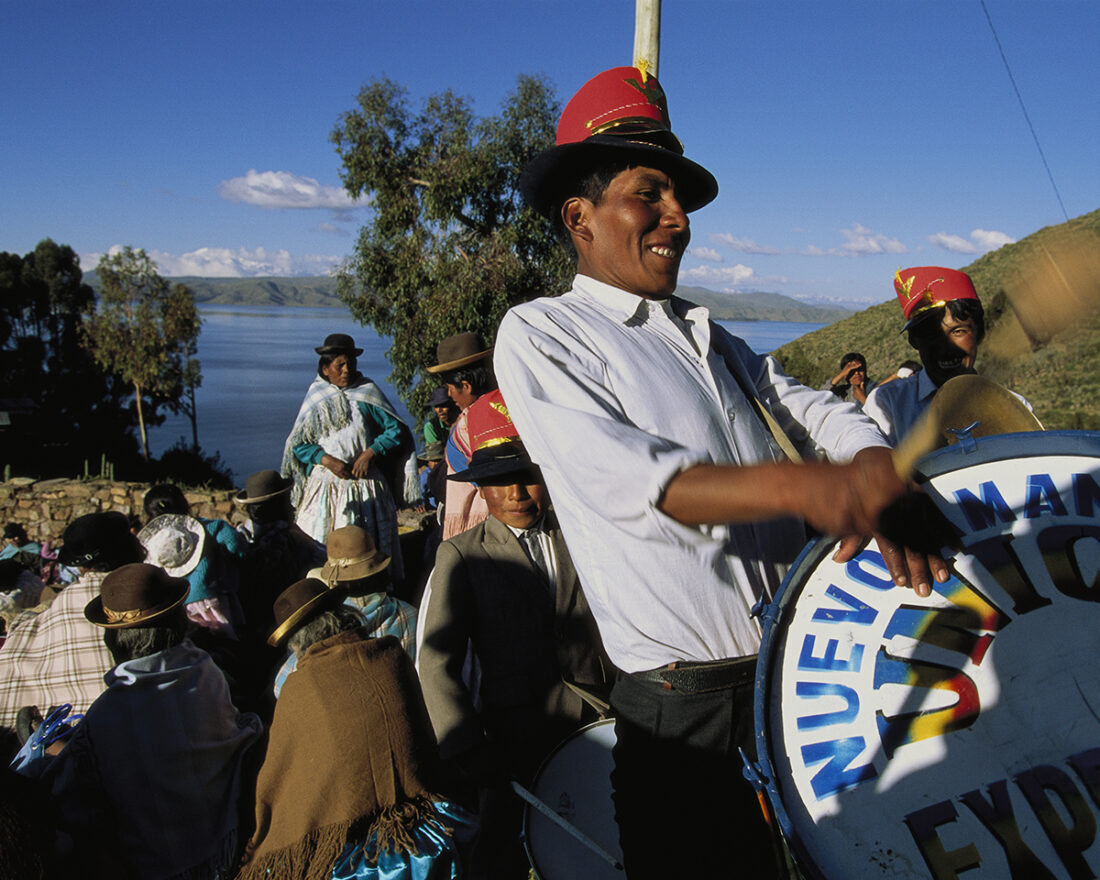
The Andes

Landscapes of Silence
La Escuela del Asombro · Philosophical exercises
Deià, Mallorca, November 10–11
A weekend to read, to share, to go deeper into the essential questions of life, to open ourselves to wonder and let go of the old fear of living. The gathering will be in English and places are limited.
Visit my Substack

Portfolio
MY WORK AS A PHOTOGRAPHER
Click here if you want to see in Photoshelter, without distractions, the photographic work done for magazines and books, and here a work more focused on travel, fashion and commercial photography.My writings
REFLECTIONS ON THE WORLD
Since my beginnings, the word has accompanied the image, and in many occasions it has been an autonomous tool. Most of my writings are journalistic articles, essays, speeches, and some poems.Opinions
WHAT DO OTHERS SAY?
In multiple articles and interviews done over time you can see what different people have said about my work. My concerns are diverse and include politics, cultural management and culture.The Andes Book
Imposing, implacable and intensely beautiful, the Andes mountain range rises into the sky from Patagonia to the Caribbean. Pablo Corral Vega’s magnificent photographs harmonize perfectly with the eloquent prose of novelist Mario Vargas Llosa. Both are natives of the Andean region and have dedicated to it a sincere homage charged with a very personal vision.

THE BLOG
TEXTS, OBSERVATIONS AND VISUAL EXPLORATIONS

CONNECT WITH ME