Philosophical Counseling
A philosophical practice grounded in attention, reciprocity, humility, and wonder.
There are moments in life when we do not need more information or better advice. We need someone willing to think with us. Philosophical counseling is an invitation to slow down, examine our experience, and recover the ancient practice of philosophy as a way of living. It is a conversation rooted not in diagnosis or certainty, but in curiosity, reflection, and the shared search for understanding.
A Conversation Between Equals
Philosophy begins in conversation.
Not a conversation between an expert and a patient, but between two people willing to explore a question together. Following the Socratic tradition and the contemporary practice of philosophical counseling, our meetings draw on philosophy, literature, poetry, photography, music, and the arts—not as sources of answers, but as companions in thinking. I do not offer formulas or ready-made solutions. Every visit begins with your own experience. We think together.
The Craft of Seeing
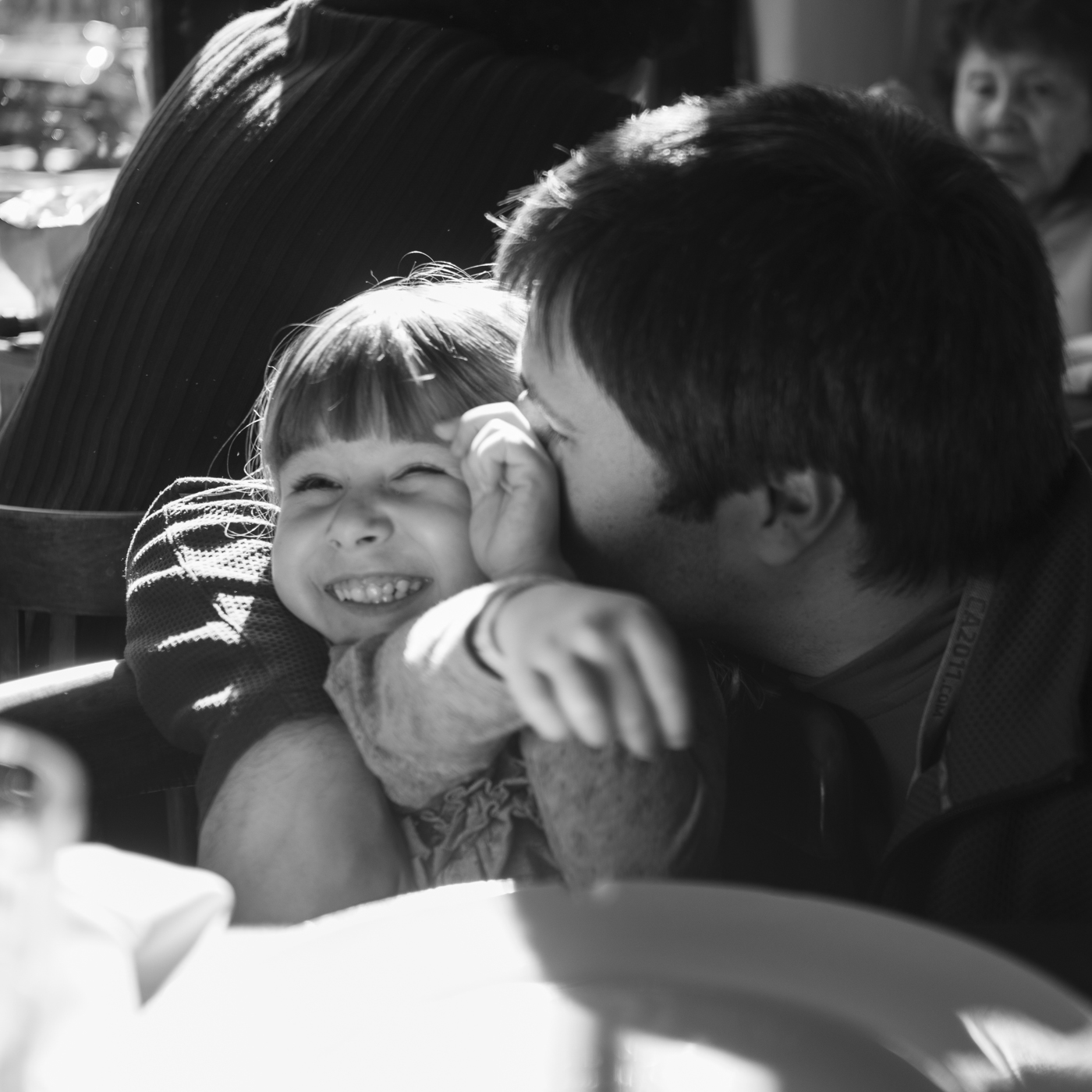
For more than forty years I have worked at the intersection of photography, writing, law, philosophy, and public life.
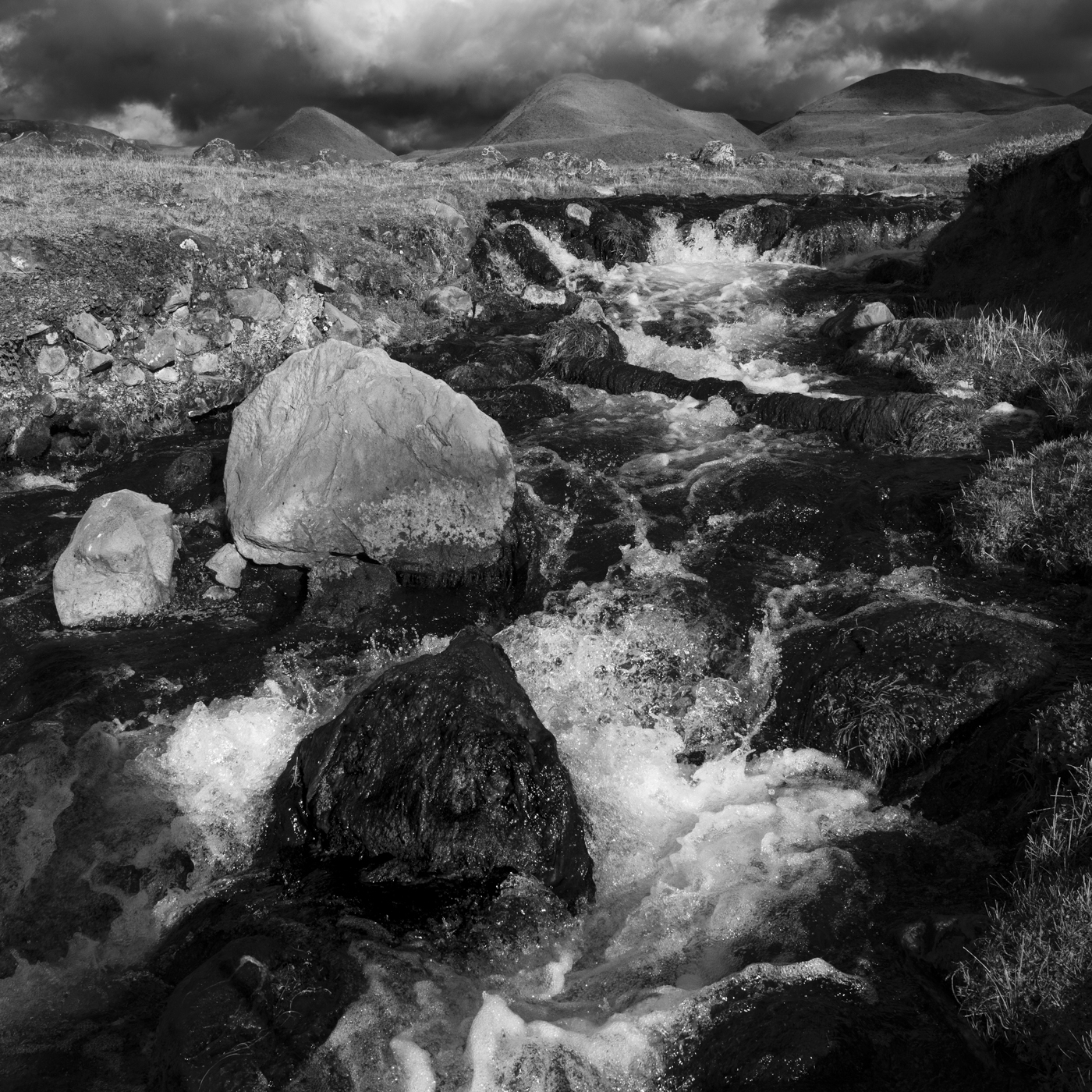
As a photojournalist, I spent more than two decades documenting the world for National Geographic, Smithsonian, The New York Times, and other international publications. My book Andes, created in collaboration with Mario Vargas Llosa, grew out of those years of looking.
Photography taught me what Simone Weil called attention: the discipline of seeing before judging, of remaining present before searching for explanations. It is a lesson that has shaped every part of my life.
Later, as Secretary of Culture for the city of Quito and as a Nieman Fellow at Harvard University, I discovered that philosophy and the arts can transform not only individuals but entire communities. More recently, I completed a Master’s degree in the Philosophy of Care at the Autonomous University of Barcelona, where my research explored philosophy as a lived practice rather than an abstract discipline.
Today, these paths come together in philosophical counseling.
I do not see this work as a departure from photography, writing, or public service, but as their natural continuation.
Every meaningful conversation begins with the same simple act: learning to pay attention.
Each Visit, in Two Parts
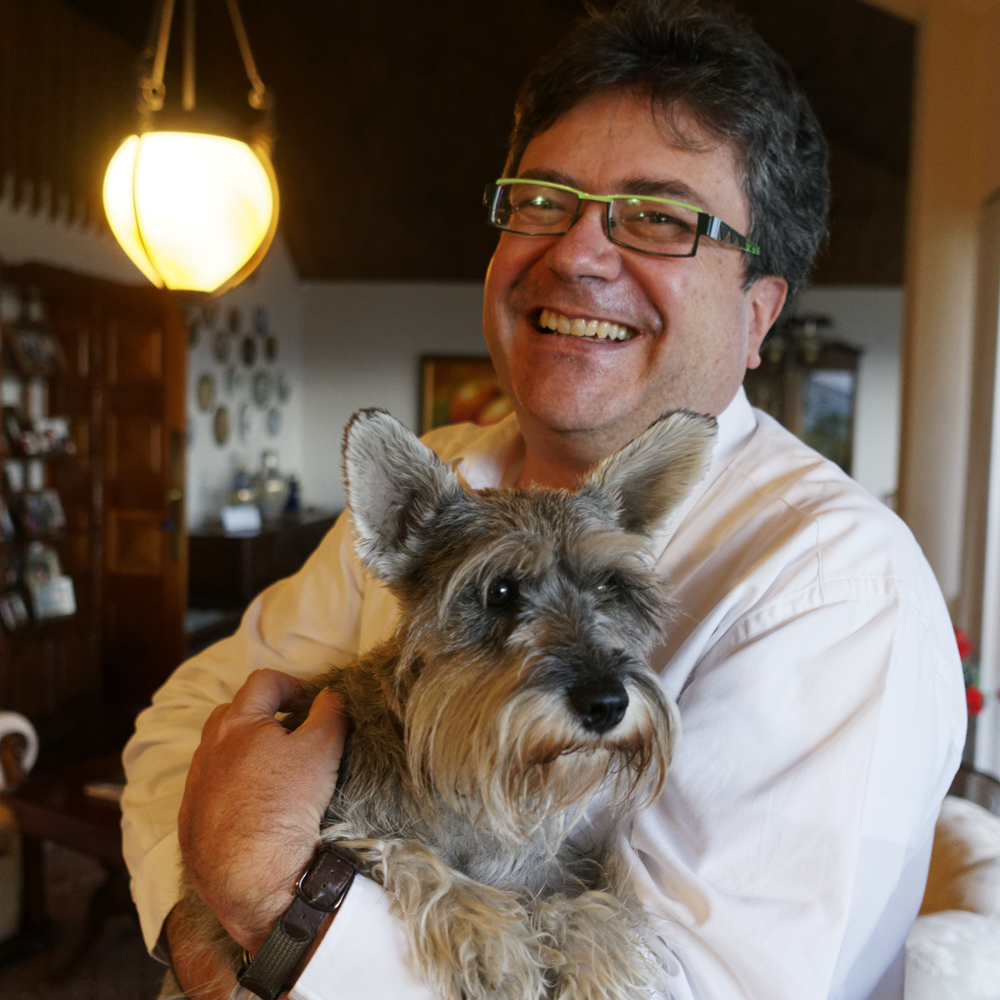
Visits take place in my studio in Quito and last approximately ninety minutes.
There are no clinical protocols or diagnoses. This is a space we build together, one conversation at a time.
Thirty Minutes of Reading and Music
A gentle transition away from the noise of everyday life.
We may read together, sit in silence, or simply listen to music before our conversation begins.
One Hour of Philosophical Conversation
The heart of each visit.
Thinking aloud, without haste, allowing philosophy to become a mirror through which we can better understand our lives.
Is This for You?
You may be facing a transition, a loss, or an important decision. You may be living with a question that refuses to disappear. Or perhaps you simply miss the feeling of being fully present in your own life. No previous knowledge of philosophy is required. Curiosity is enough. Philosophical counseling is not psychotherapy, nor is it intended to replace psychological or psychiatric care. It offers a different kind of conversation—one grounded in philosophy and in the lived experience of being human.
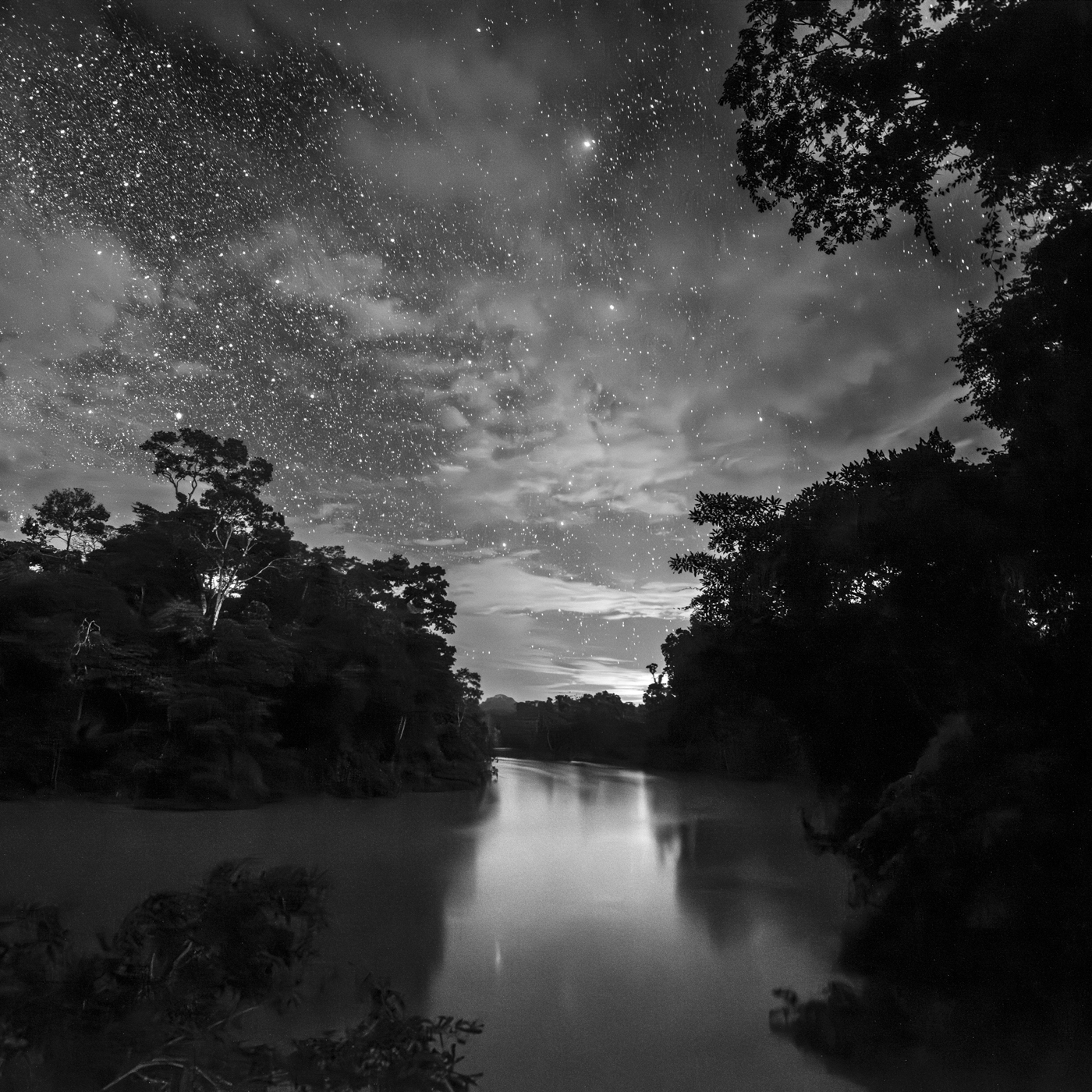
When the Soul Blossoms
A recent lecture on bringing philosophy back into everyday life.
“I experienced a feeling of strangeness, wonder, and astonishment at simply being there. The world became intensely present to me. I believe I have been a philosopher ever since, if philosophy is understood as this awareness of existence, of being in the world.”
Pierre Hadot, Philosophy as a Way of Life
Philosophical Reflections
Essays, lectures, and conversations on philosophy, creativity, artificial intelligence, photography, and the art of living.

Talk at the Blaye Contemporary Art Festival
By Pablo Corral Vega My doctor once told me, while writing out a prescription by hand, that he didn’t get along well with technology. I told him he was wrong: writing, I said, is the most precious and advanced technology…
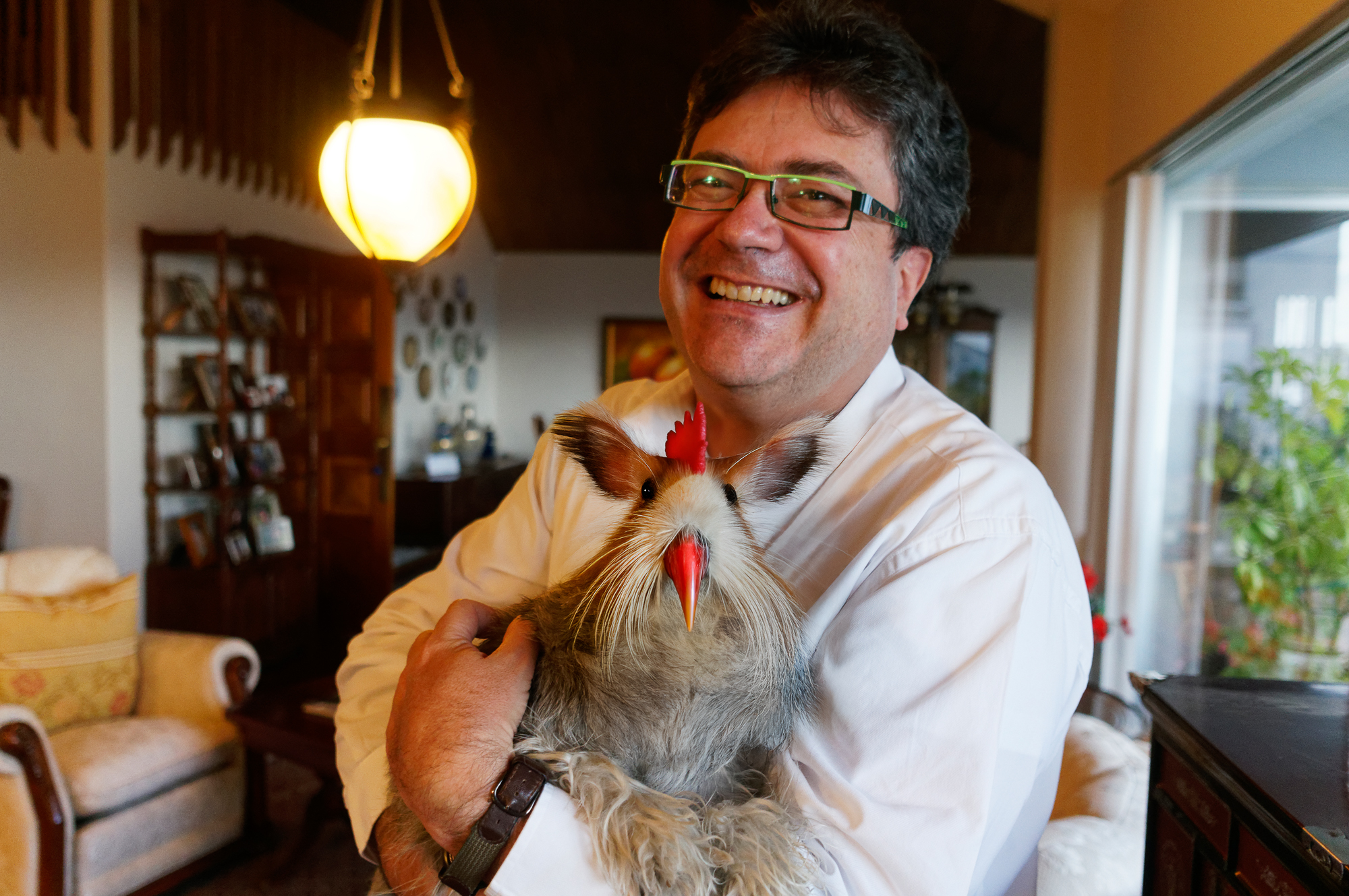
A Photographer Who Writes About Philosophy
A story about life, wonder, and what makes us human in the age of intelligent machines.

We speak to connect with one another
Speech at the 2018 Quito Book Fair and portraits of Haruki Murakami during the event. We speak to connect with one another, language is the mirror in which we discover ourselves.
A Place to Think Together
Life continually invites us to pay attention. Sometimes what we need is neither advice nor certainty, but the opportunity to pause, reflect, and think in the company of another person. If that conversation calls to you, you are warmly welcome.